

Take A Look at The Montessori Programs We Offer
Our programs are designed to develop the innate curiosity for learning in a child. The age for the classrooms described below are merely suggested guidelines. At TFM, we follow the child and carefully observe each one for their developmental milestones. The determination of which classroom a child may be enrolled in is made by a discussion with parents, the teachers, and our Director. A mutual decision is made based on how comfortable the child is in his environment and if it is the best place for him to find happiness, comfort, and learning.
Dr. Montessori believed that the environment plays a critical role during the formative period of 0-6 years. Each developmental milestone is achieved during a time of an internal desire to learn a skill called the "sensitive period."
Our goal is to provide sufficient learning opportunities during the "sensitive periods." We pay great attention to providing a nurturing environment during these growing years so that each child develops independence and self-confidence and learns to use freedom within limits under the careful guidance of our experienced certified teachers.
Infants
3 months - 18 months
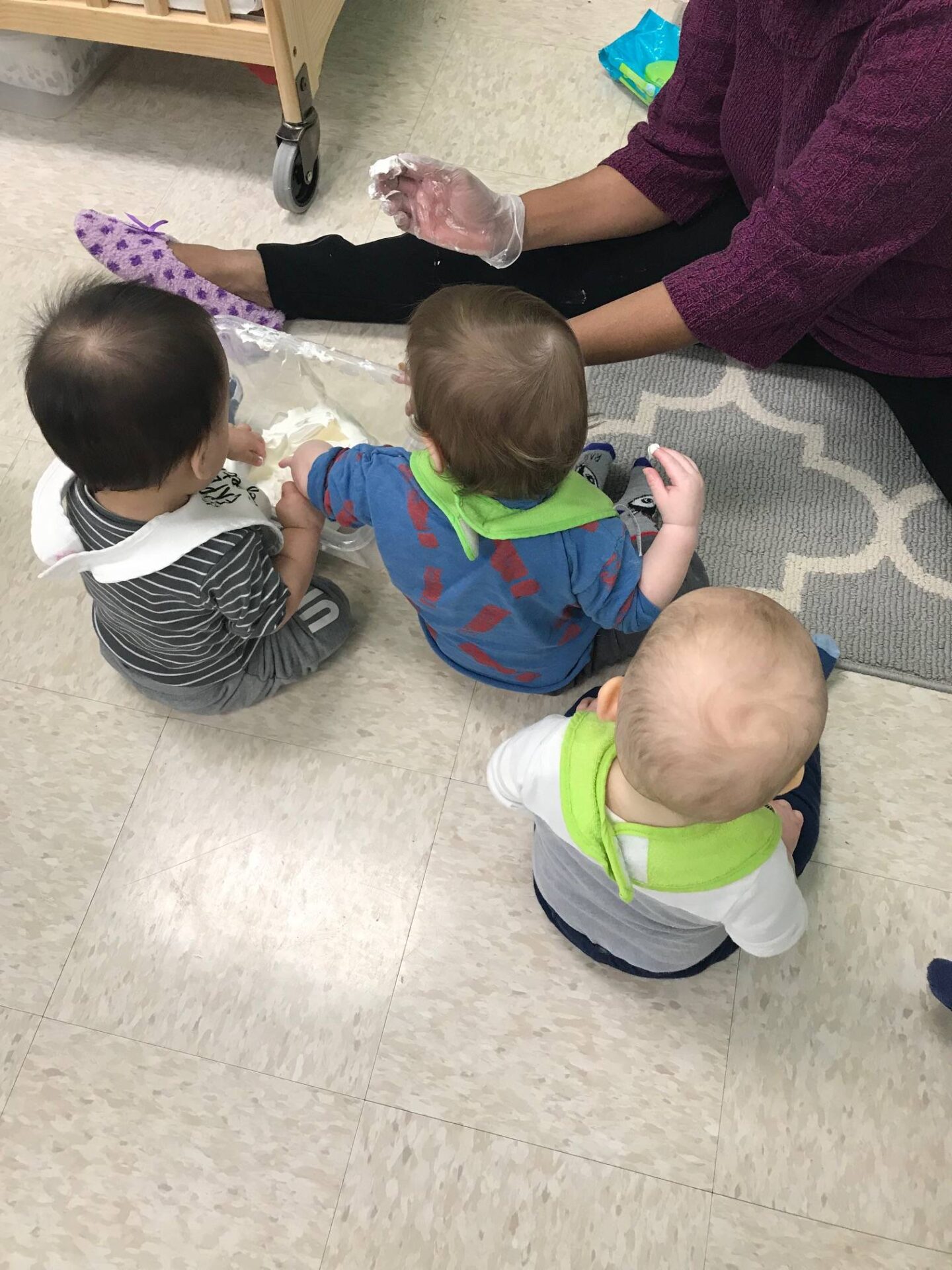
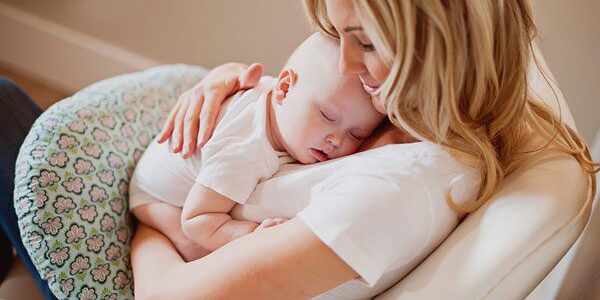
Our babies find comfort in our cozy homelike nursery room. It is their first time being away from home, so we offer a lot of love and care here.
The TX ratio of 4:1 (infants : teacher) is strictly maintained, and our staff is always present to provide the teachers with extra support. We follow a "no cry" policy and avoid letting a baby cry for an extended period of time.
Nursing moms are always welcome to come in.
An assessment and conference with parents are done before progression to the next classroom.
Our classroom is a shoe free clean environment.
We offer live stream video for this classroom only.
Benchmarks of Our Infant Program
Our infant benchmarks represent a collection of developmental experiences that children encounter during their time in our program. Consistent with Montessori philosophy, we recognize that every child progresses along an individual timeline. Development occurs in phases, and periods of rapid growth in one area may slow/pause progress in another.
These benchmarks communicate the work and experiences we provide in our prepared environment. They are concepts that are gradually introduced, practiced, and strengthened over time, allowing each child to achieve mastery at their own pace with the expectation that children will build independence and confidence as they grow.


Toddler
17 months - 36 months
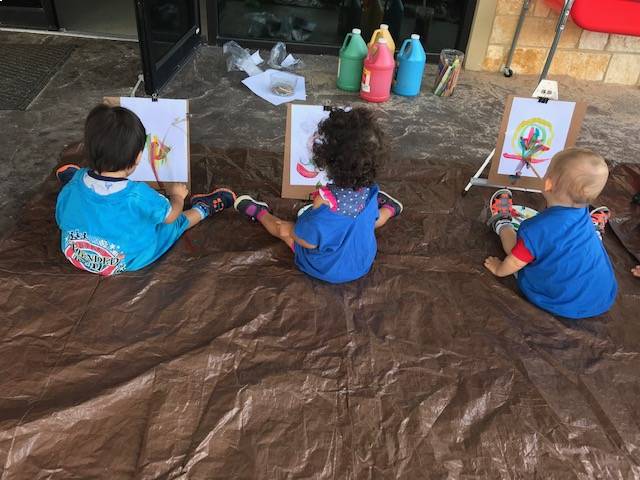
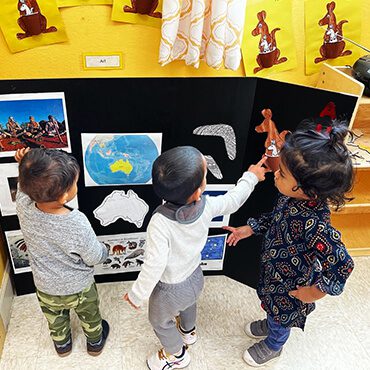
Toddlers of this age begin to understand their own bodies and the environment more. They are more self-aware; hence this is a sensitive period for a lot of developmental skills, such as toilet training, self-care, feeding, and gross and fine motor skills. Children follow simple instructions and begin to love the routines and rules of the classroom. Peer interaction is developed in a positive way, and many young leaders and mentors emerge. Children learn basic concepts of colors, shapes, recognition of alphabet sounds and concept of numbers. Spanish is introduced as an early introduction to a second language.




Early Childhood (Primary Pre-K Kindergarten)
2.5 years - 6 years
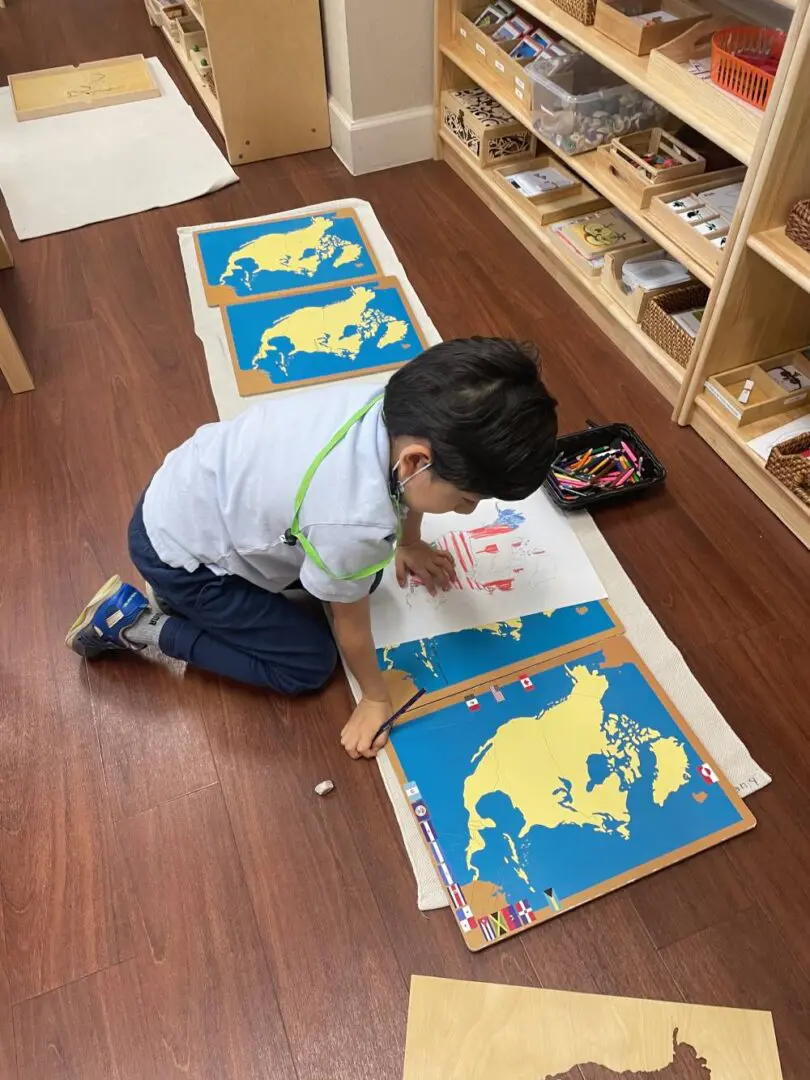
The Early Childhood journey of a child in a Montessori school is a 3 year program. Children learn in a multi-age group in this environment as per the Montessori Method of vertical grouping.
Following the areas of practical life, sensorial, mathematics, language, social, and cultural studies, children become confident and independent.
Additionally, life skills such as service, leadership, and community care are encouraged.
